Saturday, February 23, 2013

Sometimes..Sunsets have wings..

Howdee all,

I took the below photos a few days ago at the causeway that leads into the park.

We thought it would be nice to end our day here..

The sun was starting to set…

lighting up the scenery..

The causeway_004It was low tide…

The causeway_006At low tide the birds come into the causeway..

The causeway_008

Dinner time…

The causeway_016

 The causeway_036

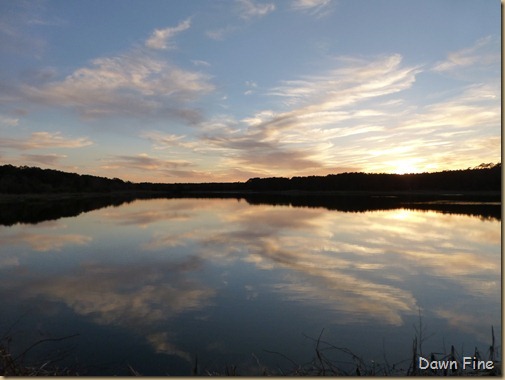
We watched the sky change over the pond at the south side of the causeway.

The causeway_007We watched the birds fly south over the pond to their evening roosts..

By groups..

The causeway_013

And singly

The causeway_024

The day comes to a quiet close..

The causeway_022

We watch a few last minute meals..

The causeway_028

The sun sets..

Turning the clouds pink..

IMG_3779 and…

Then we watched the sunset fly…

Sometimes.. The causeway_040

  Sunsets have wings..

IMG_3778


*****************************************************************

Just two more days here at Huntington Beach State Park before we head further south.

It is a rainy day today and we will spend most of the day indoors catching up with paperwork and cleaning.

Internet time has been limited for us while traveling because we are relying on our Mifi device…we have to watch our Gigabyte usage and not go over the allotted amount.

Hopefully our next campground will have Wifi Smile

Thursday, February 21, 2013

Storms a comin…

Howdee all,

Jeff washed the Homey…so naturally we were ready for rain.

This storm came a day after he washed Homey..

Usually it happens much sooner..

I think Jeff is out of practice ;)…

North beach  _004We knew by the clouds (and the weather forecast) that we had a few hours for our morning walk.

North beach  _005We decided to walk to the jetty to see the Razorbill

North beach  _008One lone fisherman at the end of the jetty..

North beach  _010Those dots are Horned Grebe

There are hundreds of them in the area..

North beach  _013We saw the Razorbill ~they were out past the opposite jetty..

We watched them a while before heading back..

North beach  _016On our way off the jetty we spy this little bird..

North beach  _023Jeff and I weren't sure but it looked like a pale Savannah..

North beach  _031After looking at our guide we determined it was an

Ipswich Sparrow

North beach  _045A pale version of the Savannah..

North beach  _054Usually seen further north..

North beach  _073

Storm clouds to the south…

North beach  _095I picked up that sweet little dried out sea urchin to add to my

Huntington Beach State Park treasure collection

North beach  _094We stopped again when we saw this little sparrow

North beach  _112


The Ipswich Sparrow is a geographically isolated subspecies of the savannah sparrow. This small sparrow breeds strictly on Sable Island, Nova Scotia and winters along the mid-Atlantic coast. Their nape, back, and rump are dark brown with varying degrees of streaking. Their crown is typically beige with a pale yellow eye-stripe. Ipswich sparrows have a whitish colored throat, breast, and belly. Light streaking occurs along their sides and chest, but not much along the belly. The Ipswich sparrow is overall paler and larger than the continental savannah sparrow.

via http://www.conservewildlifenj.org/species/fieldguide/view/Passerculus%20sandwichensis%20princeps/


North beach  _118

Storm cloud over the ocean..

North beach  _122

North beach  _128Interesting cloud formation over the dunes..

North beach  _120

North beach  _131Further down the beach we come across another

Ipswich Sparrow..

DIET

The Ipswich sparrow feeds along shoreline habitat alone or in small flocks in non-breeding months. They typically walk when hunting instead of hopping as their continental counterparts would. They hunt for insects, insect larvae, and other small arthropods all while walking on the ground. During the winter months, seed is a particularly important food source.

Via

http://www.conservewildlifenj.org/species/fieldguide/view/Passerculus%20sandwichensis%20princeps/

North beach  _138The clouds are moving and changing as we walk the 2 miles back to the campground…

North beach  _141We focus on the ocean looking at the storm..

North beach  _148

We scan for birds..

North beach  _157We see a few Northern Gannet..

North beach  _151A distant fin..

Dolphin?

North beach  _158Brown Pelican flying low across the surf..

North beach  _159

We made it back before the rain..

Another lovely day at the Beach..

Huntington State Park, South Carolina

Wednesday, February 20, 2013

Searching for Razorbill

Howdee all,

Before searching for Razorbill ..

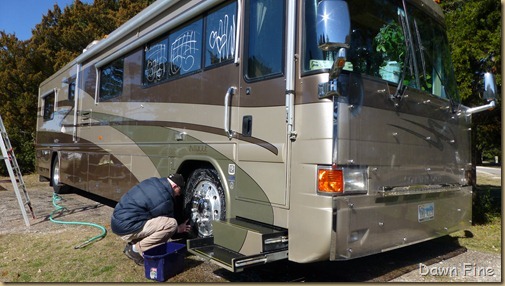
make sure you wash the graffiti off your windows.

Its also a great way to make it rain.
 

North Beach_001

Before searching for Razorbill..

Walk 2 miles stopping whenever you see a bird…

Sanderling..

North Beach_004Stop and take a photo

North Beach_010Or two

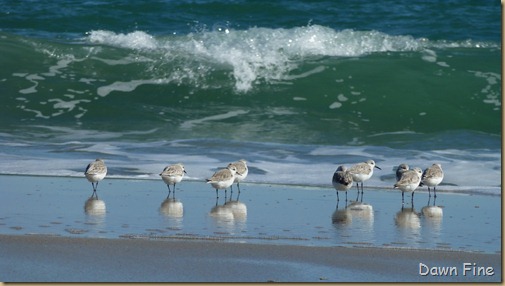
of the cute little Sanderlings romping around at the edge of the ocean..
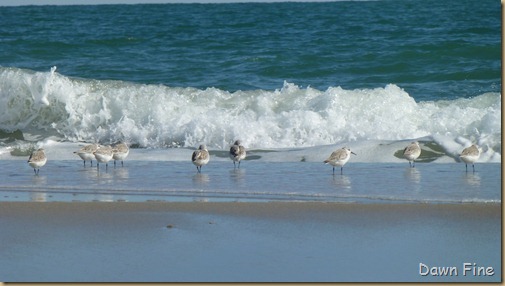
North Beach_012Before searching for Razorbill…

Make sure you stop and say hello to the Ring-billed Gull

and take its photo as well..
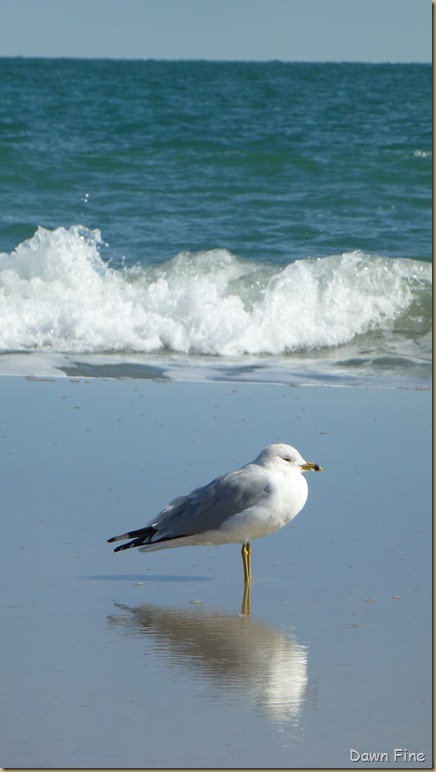
North Beach_023Before searching for Razorbill…

Stop and watch the Ruddy Turnstone search for breakfast..

North Beach_025Before searching for Razorbill..

Walk down the jetty to the end..…
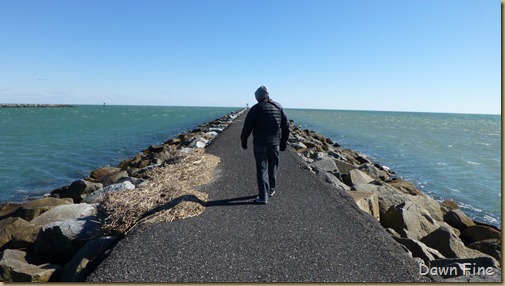
huntington State Park walk to inlet_064Stop to look at the thousands of shorebirds on the opposite jetty

and sigh because you can not get any closer..

North Beach_032Before searching for Razorbill

Check out the sides of the jetty for Bonaparte Gulls feasting..
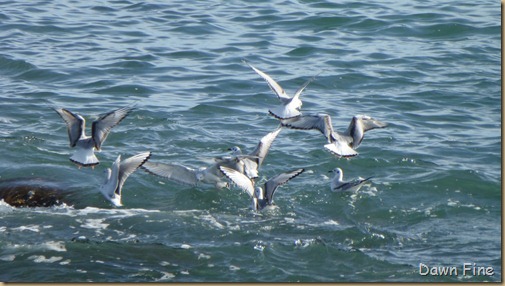
North Beach_047Before searching for Razorbill

take another photo of a Bonaparte's Gull

North Beach_097When you are almost at the end of the jetty..

Begin searching for Razorbill.

Scan the area between both jettys..
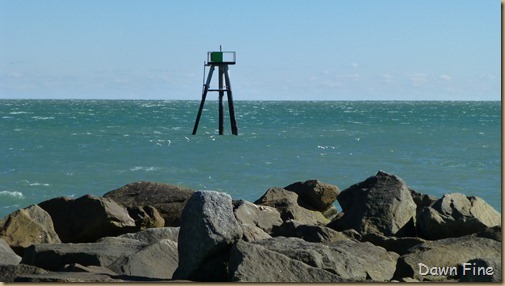
huntington State Park walk to inlet_074You might find a few Razorbill..

We found 13
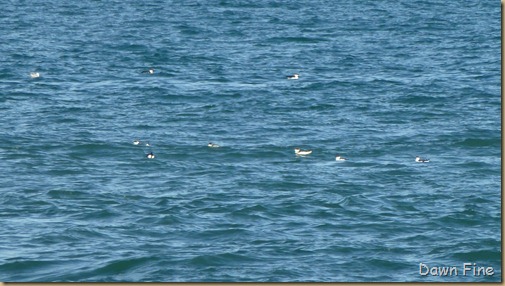
North Beach_058

When we first spotted them they were straight out from the opposite jetty..

'just floating and resting..

North Beach_080We watched them for a good half hour ..

North Beach_086Then they started to move toward the jetty we were on.

North beach Jetty, Huntington Beach State Park, SC

North Beach_087

They began feeding along the end of the jetty..

They sure could stay under water a long time..

With my little point and shoot..I was lucky to grab a photo before they would go under water again..
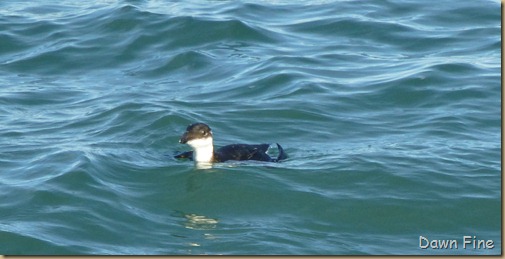
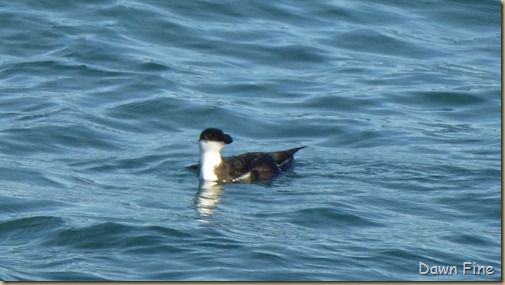
North Beach_093Razorbill

LIFE BIRD!!!

North Beach_092After searching and finding the Razorbill..

Do the Razorbill life bird shuffle..

(No photos included)

Then head back to the campground….

North Beach_111With Razorbill elation!

North Beach_123Razorbill

There have been many Razorbill sightings this winter..well south of what has been normal for them.

Read more by clicking on the links below..

A large auk of the northern Atlantic Ocean, the Razorbill can be found offshore in winter as far south as New Jersey, and occasionally Virginia.

Razorbills Invade Florida

Razorbill is an alcid of cold North Atlantic waters and rarely strays south of Cape Hatteras, NC, in the United States. The state of Florida previously had 14 records of this species, so last week when multiple Razorbills started appearing in Florida—including flocks of more than 20 birds—it was clear that something very odd was going on. This invasion has continued to strengthen, with some Razorbills turning up as far south as Miami and the Florida Keys, via ebird


10000 Birds~ The Razorbill Invasion of Florida

Great photos here~~Stokes Birding Blog~ Razorbills, Gulf Coast of FL on Sanibel & Captiva

Birding is Fun ~Flying Penguins, Dead Razorbills and the Big Birding Drama Unfolding in FL

 Nemesis Bird~ Washed-up Razorbill-Florida
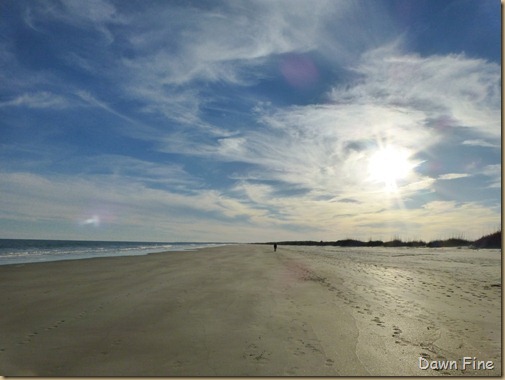
 

North Beach_120

Birds of the day

Feb 18, 2013
Huntington Beach SP--North Beach
Traveling
3 miles
180 Minutes
Observers: 2
All birds reported? Yes
Comments:
Submitted from BirdLog NA for iOS, version 1.5.2
2 White-winged Scoter
7 Bufflehead
2 Red-breasted Merganser
6 Red-throated Loon
12 Common Loon
50 Horned Grebe
4 Northern Gannet
32 Double-crested Cormorant
10 Brown Pelican
1 Great Blue Heron
1 Great Egret
6 Semipalmated Plover
2 Willet
12 Ruddy Turnstone
24 Sanderling
1 Purple Sandpiper
32 Dunlin
45 Bonaparte's Gull
5 Ring-billed Gull
4 Herring Gull
1 Forster's Tern
13 Razorbill
35 Yellow-rumped Warbler (Myrtle)
3 Northern Cardinal